A Very Special Animal Soul
A Very Special Yetzer Hara — and a Very Special Yetzer Tov
Yetzer Hara - Evil Inclination - the drive for self interest
Yetzer Tov - Good inclination - the drive to live higher.
The following is a story that I heard from my niece's new father in law - Rabbi Aryeh Solomon - at their Sheva Brachos last Shabbos.
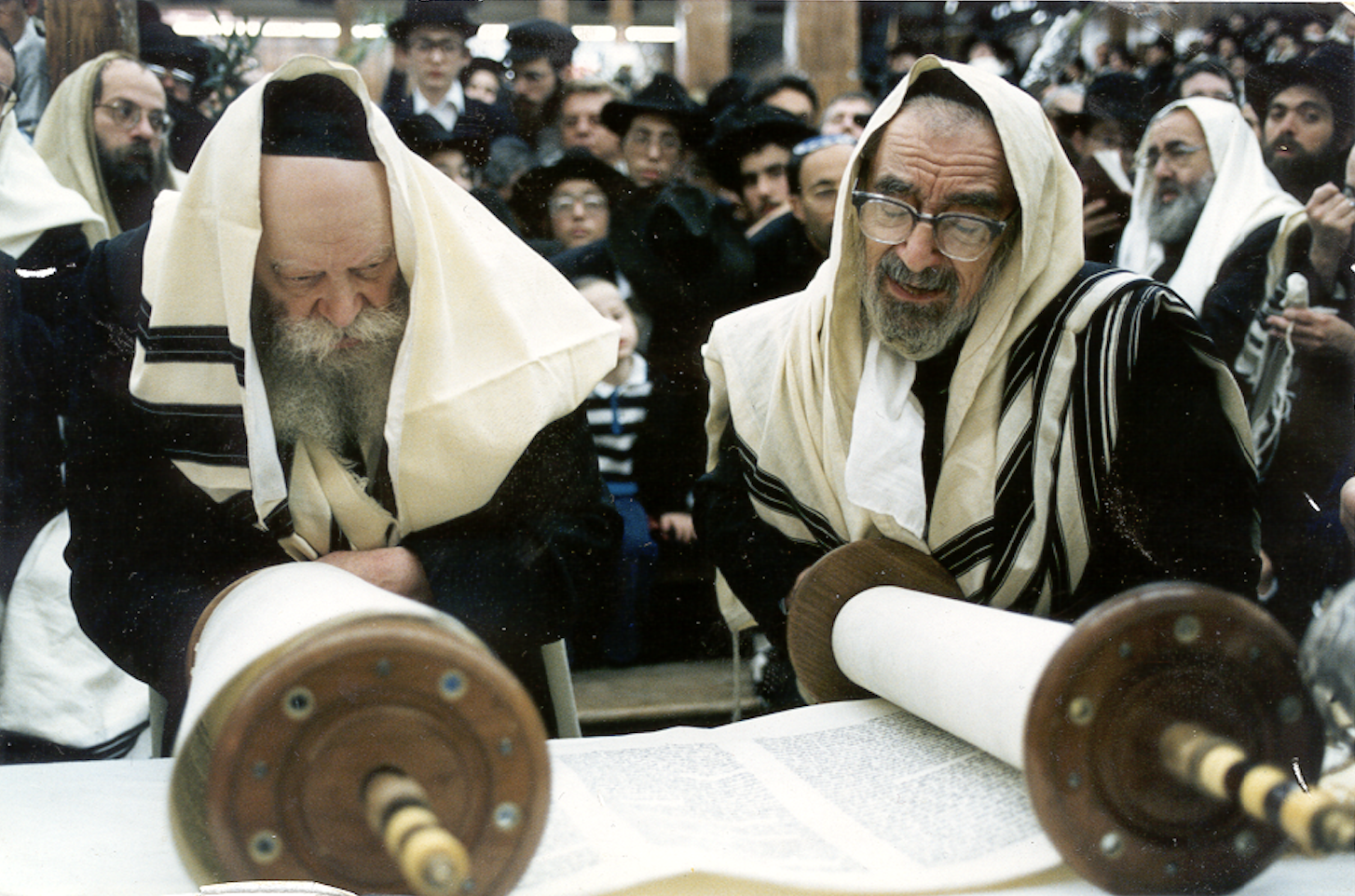
Before my Yechidus (private audience), I prepared a Tzettel (a note) to give to the Rebbe, as was customary. In it I wrote about who I was, where I was holding in life, and what I hoped to accomplish in the future. When I described myself, however, I spent considerable space detailing my shortcomings. I wrote about my weaknesses, my negative tendencies, my struggles. I wanted to be honest. I wanted to be real. I wanted the Rebbe to know exactly what he was dealing with.
During the Yechidus, the Rebbe went through the Tzettel point by point. From where I stood, I could see his pencil markings throughout the page. He was reading carefully, thoughtfully, responding to each section.
When he reached the portion where I had elaborated on my deficiencies, the Rebbe smiled broadly. He gently shook his head and, in a slightly sarcastic tone, said, “We must say you have a very special Yetzer Hara.”
The room lightened with that smile. The comment pierced through my self-seriousness.
Then the Rebbe’s tone shifted. He became more serious.
“But if we say you have a very special Yetzer Hara,” he continued, “we must also say you have a very special Yetzer Tov.”
He paused and looked up at me, as if to see whether I understood the concept. Perhaps he even asked briefly if I was familiar with it. I nodded. I knew what he meant.
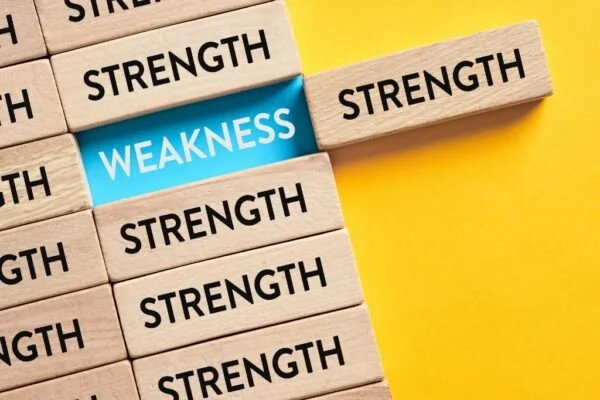
Hashem gives us Bechira — free choice. And in granting us free choice, He provides equal kochos, equal inner strengths. If a person experiences powerful negative drives, it can only be because he possesses equally powerful positive capacities to counterbalance them. The Yetzer Tov is always proportional to the Yetzer Hara.
The Rebbe then moved on to the next point in the Tzettel.
But that brief exchange stayed with me.
Often, when we examine ourselves honestly, we can become overly focused on our flaws. We assume that the intensity of our struggles defines us. We interpret our inner battles as evidence of deficiency. But the Rebbe reframed the entire narrative. The very force of the struggle is proof of the magnitude of the soul. A “very special Yetzer Hara” is not a verdict of weakness. It is testimony to the presence of a “very special Yetzer Tov.”
The struggle itself is evidence of greatness.
Free choice only exists when the scales are balanced. If the pull downward feels strong, it is because the potential upward is just as strong — even if it is quieter, even if it requires more effort to access. The kochos are there.
That moment in Yechidus was not merely reassurance. It was empowerment. If the negative inclination is powerful, then so is the positive one. If the challenge is great, then so is the mission.
Sometimes the most honest self-assessment is not the one that lists all our flaws, but the one that recognizes that our capacity for light is at least as extraordinary as our capacity for darkness.
And perhaps even more so.
Continue Reading