It might be a mitzvah to have a nice home!
When the Previous Rebbe’s grandmother, Rebbetzin Rivkah, was eighteen, she fell ill and the physician ordered her to eat immediately upon awakening. She, however, did not wish to eat before davening, so she davened very early, then ate breakfast. When her father-in-law, the Tzemach Tzedek, learned of this he said to her: “A Jew must be healthy and strong. Regarding mitzvos, the Torah says: ‘Live in them,’ meaning, one should bring vitality into his performance of the mitzvos. To be able to infuse mitzvos with vitality, one must be strong and joyful.” He then concluded: “You should not be without food. Better to eat for the sake of davening than to daven for the sake of eating.” He then blessed her with long life. - HaYom Yom, entry for 10 Shvat
Davening is Yiddish for praying. We can live a life where 1) “food” and “davening” are separate, 2) where “davening” is for the food, or 3) where “food” is for the “davening”.
There's an old joke about an atheist who goes to shul every Shabbos and sits next to his friend Finkelstein. One day, someone asks the atheist why he keeps coming to services if he doesn't believe in G-d. He replies, "Finkelstein goes to shul to talk to G-d. I go to shul to talk to Finkelstein."
Our spiritual journey can follow different paths.
Compartmentalization: The spiritual and physical are separate. "I am religious in synagogue." I am spiritual, yet my spirituality only exists within the designated religious spaces and times. My religiousness is disconnected from my daily life.
Socially: Spirituality is an obligation primarily for its social benefits or because of guilt. I’m Jewish because “I have to” not because I want to. The motivation is to be accepted in the Jewish community. I do what is expected of me so that I can say to G-d, “Now you owe me and you need to give me what I need and want.”
Both of these people may lead completely Torah observant lives. However, they are not spiritually integrated.
3.Integrated: Everything you do becomes spiritual. You eat food to have energy to serve G-d. You make money to give charity and support causes you care about. You have a nice home so you can have influence (see story in P.S.). When others admire you, they naturally want to emulate you. By enhancing your own religiosity, you automatically elevate others who aspire to be like you.
This isn’t only a story about Rebbetzin Rivkah. It's a message for all of us. Is our connection with Hashem integrated into our lives? What can we do to integrate it more?
Have a good Shabbos.
Rabbi Kushi Schusterman
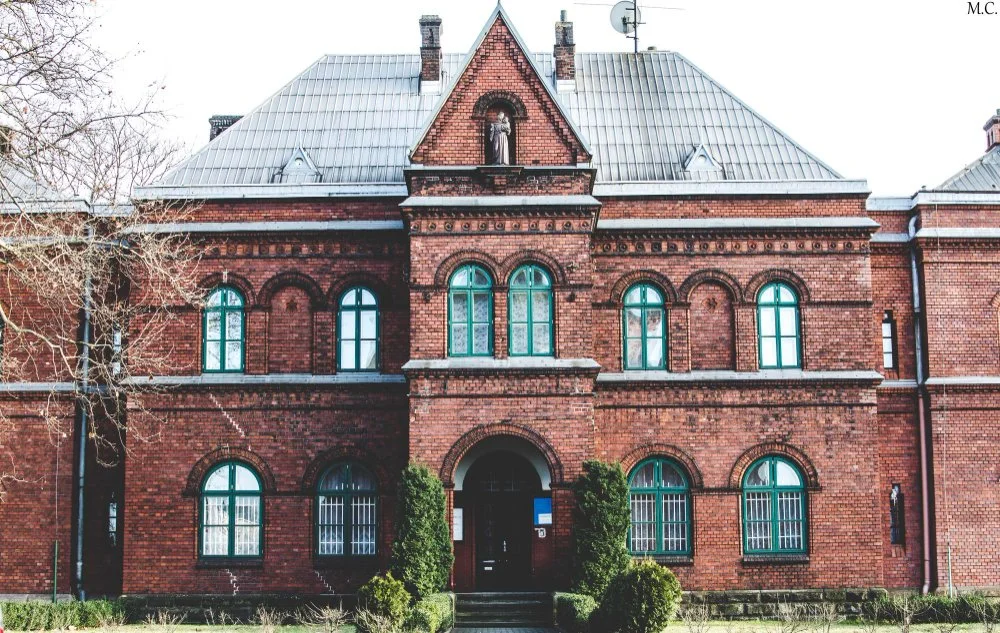
P.S. Reb Pinchas Reizes used some of his fabulous wealth to build a brick mansion for himself. As most of the other houses in the city of Shklov were made of wood, his house stood out. In truth, in Shklov, any mansion was a sign of affluence, but a brick mansion was something really spectacular.
When he mentioned to the Alter Rebbe his plans to build the mansion, the Rebbe asked him, “Pinchas, why do you need a brick mansion?”
“Rebbe, believe me,” explained Reb Pinchas, “when I thought about building my house, I shed more tears than there will be bricks. I keep reminding myself, ‘Do I need a brick mansion?’
“But because I will have a mansion, important community meetings will take place in ‘Pinchas’ mansion.’ Since the meeting is taking place in ‘Pinchas’ mansion,’ Pinchas has a say. Once Pinchas has a say, the chassidishe melamed has a job!
“Now, if Pinchas doesn’t have a mansion, the meetings won’t be taking place in Pinchas’ home. Then Pinchas won’t have a say and the chassidishe melamed won’t necessarily have a job.”
The Alter Rebbe responded, “You are right; this is a proper thing for you.”
Excerpt from Early Chassidic Personalities: Reb Pinchas Reizes
Continue Reading